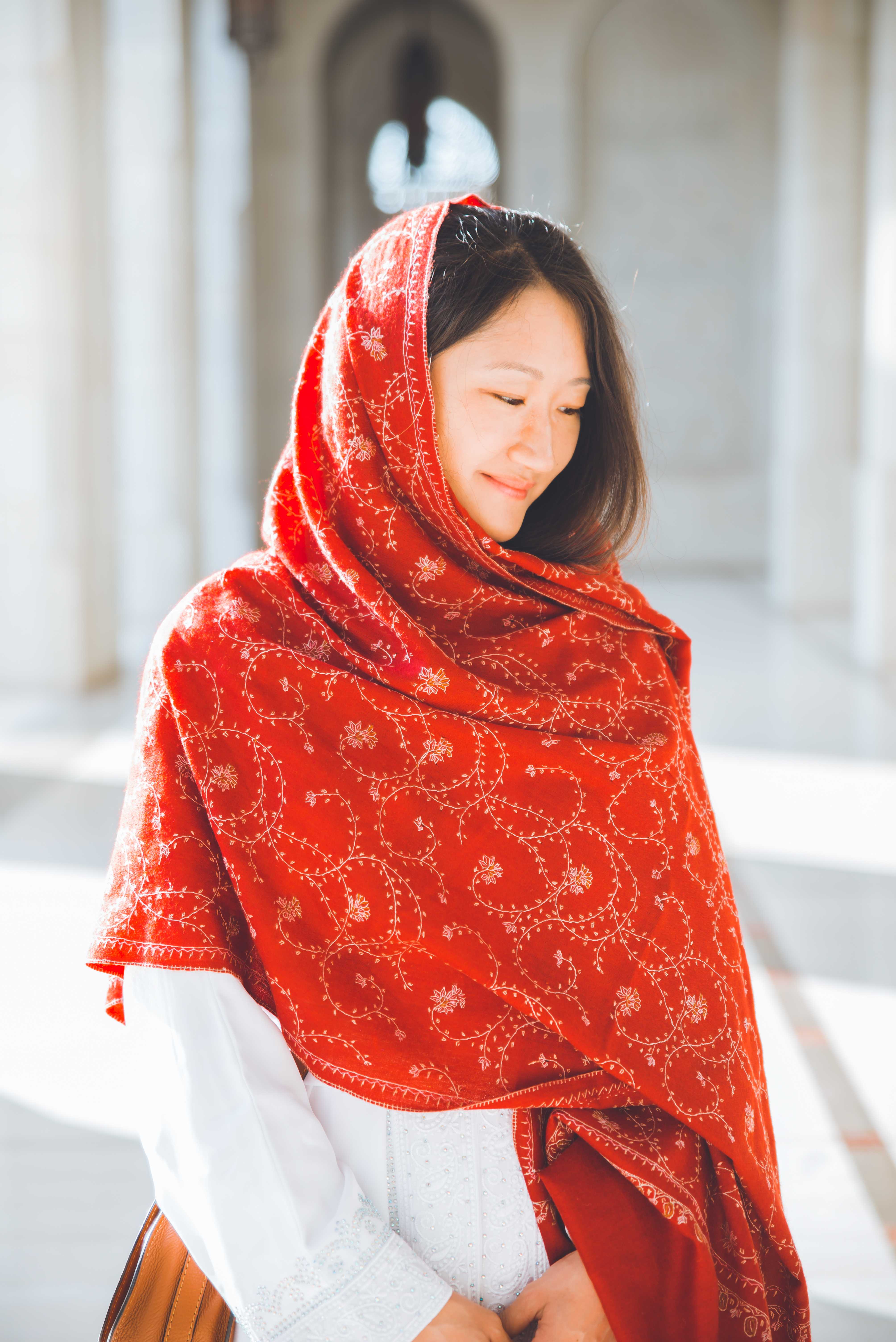
Muttrah is one of the few places in Muscat where the season you visit genuinely changes the experience, not just the weather report. The souq is covered and shaded, so it's workable most of the year, but the corniche is fully outdoors, and between the heat, the light, and the crowds, timing a visit here well makes a real difference to how much you enjoy walking it.
When is the best time to visit Muttrah?
The most comfortable months to visit Muttrah Corniche and Souq are roughly October through April, when Muscat's temperatures ease off enough to make an unhurried walk along the harbour genuinely pleasant rather than something to rush through. Outside that window, from around June to September, the heat and coastal humidity build up quickly once the sun is fully up, which pushes most of the enjoyable time outdoors into the early morning or evening.
That doesn't mean Muttrah is off-limits in summer. The souq itself, with its covered alleys and shaded lanes, holds up reasonably well year-round since you're rarely in direct sun for long. It's the open corniche — the harbourfront promenade with the dhows and watchtowers — that feels the season most.
How the corniche changes through the year
In the cooler months, the corniche is where a lot of the city's evening life happens. Locals and visitors walk it after sunset, the harbour light softens earlier in the evening, and golden hour arrives at a civilized time that doesn't require restructuring an entire day around it. It's also busier during this stretch, since it lines up with peak tourist season, so early morning tends to be the quieter alternative if you'd rather have more space to yourself.
Through summer, the same stretch of waterfront is still there and still photographs well, but the window for comfortable walking narrows. Sunset arrives later in the evening, which actually works in your favor for golden hour timing, but the hours before that can be genuinely uncomfortable to spend outdoors. A short, well-timed visit close to sunset tends to work better in summer than trying to linger through the afternoon.
The souq: less affected by season
The souq's covered alleys mean it's a much steadier experience across the year — the lantern-lit lanes, spice stalls, and narrow passageways don't change much with the calendar the way the open corniche does. If a trip happens to land in the hotter months, shifting more time toward the souq and less toward the open harbourfront is a reasonable way to adapt, saving the corniche for the coolest part of the day.
Crowds versus comfort
The trade-off in Muttrah, like most of Muscat's popular sights, is that the most comfortable months are also the busiest. November through February sees the heaviest foot traffic along the corniche and through the souq, particularly around midday and early evening. If an emptier harbourfront matters more to you than ideal temperatures, the shoulder months of October or March offer a reasonable middle ground — still manageable weather, with somewhat thinner crowds than the height of winter.
Early mornings hold up well as a quieter option regardless of season. Before the souq's stalls are in full swing and before the corniche fills up with evening walkers, it's usually possible to get a calmer feel for the place even during the busiest months.
Planning a portrait session around the season
For anyone considering photos at Muttrah as part of a Muscat trip, the season mostly affects timing rather than whether it's worth doing at all. In the cooler months, there's more flexibility — a session could run through late afternoon into golden hour without the heat becoming a factor. In summer, keeping a session close to sunset, and leaning on the souq's shade if it needs to happen earlier in the day, tends to produce more relaxed, comfortable-looking portraits than trying to fight the midday heat on open ground.
Muttrah also pairs naturally with a visit to the Sultan Qaboos Grand Mosque earlier in the same day, since the mosque's visiting hours run through the morning and the corniche comes into its own later in the afternoon and evening — a combination that works in most seasons, just with the exact timing shifting slightly depending on when sunset falls. For more on what makes this stretch of the city worth photographing in the first place, our guide to Muttrah Souq and Corniche covers the two textures — the open harbourfront and the covered souq — in more depth.
The short version
October through April gives the easiest overall conditions at Muttrah, with the corniche at its most comfortable and the crowds at their thickest. June through September is still workable, especially if a visit leans on the souq's shade and saves the corniche for close to sunset. Either way, matching the time of day to the season tends to matter more here than almost anywhere else in Muscat.
If you're planning a trip to Muscat and want a portrait session at Muttrah timed well for whichever season you're arriving in, message me on WhatsApp at +968 9584 2090 with your dates and I can suggest a time that works with the weather you'll actually have — see packages and pricing to get started.
Ready to book your Muscat session?
Message on WhatsApp for availability during the September–January season.
Message on WhatsAppOr call/text +968 9584 2090 directly