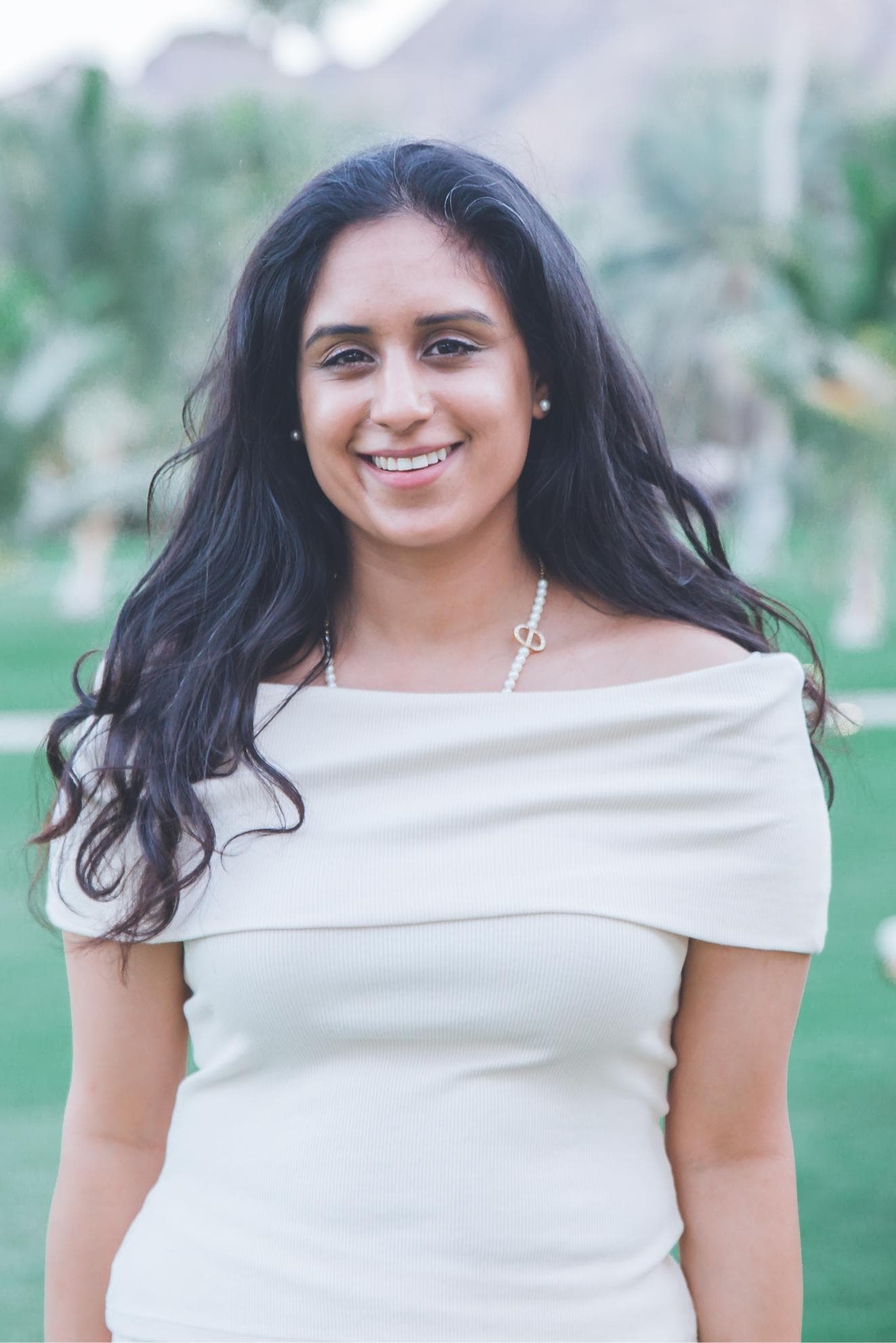
Khareef season in Salalah has come and gone for the year. The monsoon mist that turns the Dhofar hills green typically runs from June through September, so anyone reading this in mid-November has missed it. But this is exactly when many travelers start planning the next one, and it's also when Muscat is at its most comfortable. The Qurum and Al Mouj beaches are a very different kind of Oman experience from Salalah's cool, misty hills, and the two work well as a pair on a longer trip.
When is khareef season in Salalah?
Khareef in Salalah typically runs from about June to September, when the southwest monsoon brings mist, drizzle, and green hillsides to the Dhofar region. Conditions vary from year to year, and the weather can change quickly. If you're planning for next summer, check recent conditions and flight availability closer to your dates rather than relying on a fixed calendar.
Why does Muscat feel so different from Salalah?
Muscat sits far north of the monsoon's reach, so it keeps its own pattern of dry, clear weather. Summers here are generally hot and humid. The cooler months, roughly from autumn into winter, are when most visitors find the coast most pleasant. That's why the Sept–Jan window is so popular for beach time: the sea breeze, the softer light, and the comfortable evenings all line up.
The result is a useful contrast. Salalah in khareef is about cloud, waterfalls, and cool air. Muscat in the cooler months is about open sky, warm sand, and long sunsets. Travelers who want both usually have to choose between them for a given trip, because the best time for each doesn't overlap.
So what should you do if you want both?
The simplest approach is to treat them as two separate trips, or to plan one longer visit that leans on whichever season matters most to you. If khareef is the priority, build the trip around summer and keep the Muscat leg short and indoors-friendly. If beaches and portraits are the priority, aim for the cooler months and consider Salalah as a separate, later trip.
For travelers who came through this year, a good memory to carry into the next trip is how much easier the Muscat leg is in the cooler months. We covered the late-season version of this in Salalah's Khareef Season and the Case for a Muscat Stopover, which is worth a read if you're thinking about how to use a layover.
Where are the best beach spots in Muscat for portraits?
Qurum and Al Mouj are the two beach areas most visitors think of first, and they suit different moods. Qurum is the more established stretch, with a long, open shoreline that works well for walking shots, families, and relaxed couples' sessions. Al Mouj is more modern and polished, with a tidier, resort-style feel. Which one suits you depends on whether you want a classic open-beach look or a cleaner, more contemporary backdrop.
Most visitors find that the light is what makes the difference. The hour before sunset typically gives the softest, warmest tones on the sand and water, and it also tends to be more comfortable than midday. Early morning is a quieter alternative if you'd rather avoid crowds. For a closer look at how different spots compare for families in particular, see Best Beaches in Muscat for Sunset Family Portraits.
How is a beach shoot different from a khareef-style trip?
A khareef trip is usually about movement: driving between viewpoints, walking to waterfalls, and chasing weather that changes by the hour. A Muscat beach session is almost the opposite. It's slow and easy to schedule, and the setting does most of the work. That makes it a good fit for the part of a trip when you want to stop moving and simply enjoy being there.
A few practical notes from experience:
- Plan around the light, not the clock. Sunset times shift through the season, so it's worth confirming the window for your specific dates.
- Wear what you'll be comfortable in. Light, flowing fabrics tend to photograph well in coastal breezes, and solid colors usually look cleaner against sand and sea than busy patterns.
- Keep the plan flexible. Wind, tide, and crowds vary by day, and a session can usually move a little to suit them.
- Dress with local norms in mind. Public beaches in Oman are generally more modest than those in some other destinations, so many visitors choose cover-ups or relaxed beachwear that works for photos and for being out in public.
If you'd like a full checklist, our guide on what to pack for a beach photoshoot in Muscat goes into more detail.
What does a portrait session on the beach usually involve?
A session is typically relaxed and unhurried. We pick a time that suits your plans, meet at the beach you've chosen, and spend most of the time walking, talking, and letting natural moments happen rather than forcing stiff poses. Families, couples, solo travelers, and maternity sessions all work well here, and the open shoreline gives plenty of room to move.
This is where having a local photographer helps. Knowing which stretch of sand is quieter at a given hour, where the light falls best, and how to work around the tide makes a real difference, particularly if you only have one evening to spare.
Planning your trip around both seasons
If you're thinking ahead, here's a simple way to approach it:
- Decide what matters most. If it's khareef, plan for summer. If it's beaches and portraits, plan for the cooler months.
- Book flights and stays early for peak weeks. The Sept–Jan period tends to be busy, so earlier is usually easier.
- Leave room for a slow evening. Even a packed itinerary benefits from one unscheduled sunset on the coast.
- Sort out photography ahead of time. Sessions are easiest to schedule when we know your dates in advance.
Ready to plan a beach session?
If you're visiting Muscat this season, or planning a future trip, message +968 9584 2090 on WhatsApp with your dates and the kind of session you have in mind, and I'll help work out the best beach and timing. You can also see packages and pricing to get a sense of what a session typically includes.
Ready to book your Muscat session?
Message on WhatsApp for availability during the September–January season.
Message on WhatsAppOr call/text +968 9584 2090 directly