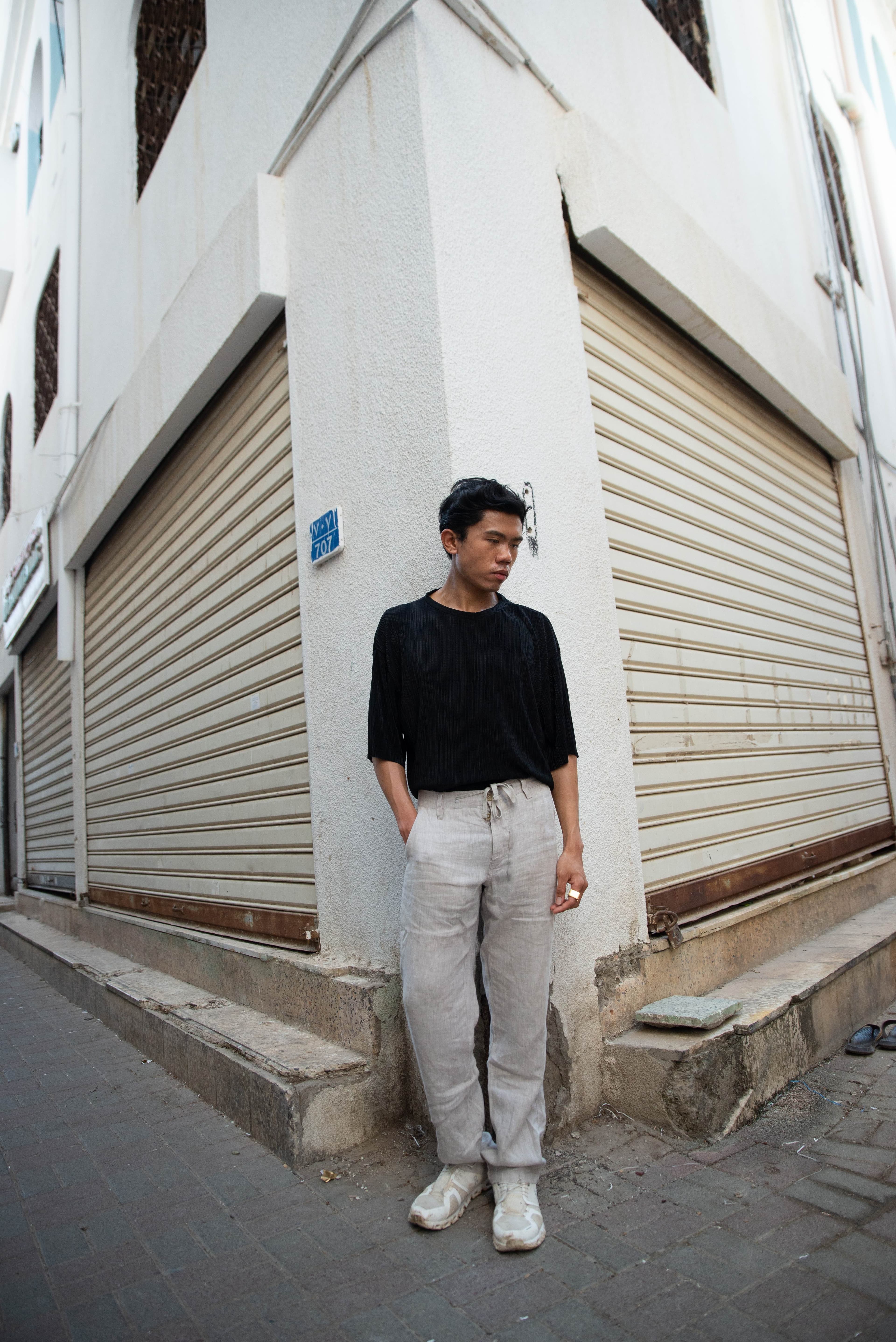
Most visitors build their Oman trip around one big landscape — the coast, or the desert. But the two are close enough together that you don't have to choose. A Wahiba Sands desert safari and an evening walking Muttrah Corniche & Souq sit at opposite ends of what Oman looks like, and pairing them in the same trip gives you a far more complete picture than either one alone — dunes that stretch to the horizon on one end, and a centuries-old working harbour market on the other.
How far is Wahiba Sands from Muscat?
Wahiba Sands is roughly a three-hour drive south-east of Muscat, in the general direction of Sur. The route is straightforward highway for most of the way, with the final stretch requiring a 4x4 to actually get onto the sand — something most visitors arrange through a driver or an organized safari rather than attempting solo. Because of the drive time in each direction, it's a trip that works best as an overnight rather than a rushed same-day round trip.
What does a desert safari actually involve?
The centerpiece is usually dune-bashing — being driven over the dunes in a 4x4 by someone experienced with the terrain — followed by a camel ride or short trek, a traditional dinner at camp, and time to just sit out under a sky with very little light pollution. Some camps add sandboarding for anyone who wants a more active break between the driving and the stillness of the evening. None of it requires prior desert experience; it's a guided, fairly comfortable way into a landscape that would be difficult to navigate on your own.
Where does Muttrah fit into this trip?
It makes sense as the bookend, not the middle. Many travelers base themselves in Muscat before or after the desert leg of their trip, and Muttrah — with its dhow harbour, spice alleys, and corniche walk — is one of the easiest ways to spend that time well rather than just waiting around for a flight or a pickup. The textures are the opposite of what you'll see at Wahiba Sands: instead of open orange sand and empty horizon, you get narrow covered alleys, coffee and frankincense stalls, and a working harbour with wooden dhows moored along the water.
That contrast is also what makes it worth carrying a camera for both halves of the trip. The soft, warm tone of desert light at sunrise and the golden hour glow over Muttrah's harbour are similar in color but completely different in what's in frame — one is empty and vast, the other is dense with people, boats, and detail. Having a proper set of photos from both, rather than just phone snapshots from the moving 4x4, tends to be what people are glad they arranged once they're back home.
What should you pack for the desert leg?
Light, breathable layers work for daytime, plus something warmer for the evening — desert nights cool down noticeably even after a hot afternoon. A scarf or bandana is worth having if the wind picks up sand on the dunes, and it's best to bring a phone or camera you're not precious about, since sand has a way of finding its way into everything. For the Muttrah leg afterward, modest, comfortable clothing works well for walking the souq's narrow alleys and stopping for portraits along the corniche.
Building the itinerary
A workable version of this trip runs something like: an afternoon or evening in Muttrah first, wandering the souq and corniche before the desert drive, then depart the next morning for Wahiba Sands, overnight at a desert camp, and a late-afternoon return to Muscat the day after — with a second, shorter stop back in Muttrah if the light and timing allow, since the corniche near sunset is a good way to close out the trip. It's not the only way to sequence it, but keeping the desert as the middle leg rather than trying to squeeze it into a single rushed day tends to make both halves feel less hurried.
If you'd rather not manage the back-and-forth timing yourself, most Muscat hotels and tour operators can arrange the Wahiba Sands portion directly, which frees you up to focus the Muscat days on the city itself.
Photography around the two locations
The souq rewards patience more than a fixed shot list — narrow alleys, low light, and a lot of texture in the stalls and doorways mean the best frames tend to come from walking slowly rather than planning every shot in advance. The corniche is more predictable: golden hour, with the dhows moored below the old watchtowers, is close to a guaranteed good frame most evenings. If you're covering both Wahiba Sands and Muttrah in one trip and want portraits that actually reflect the contrast — dust and dunes on one end, harbour light and souq detail on the other — a session timed around your Muttrah evening is usually the easier of the two to plan properly, since desert light and logistics are less predictable than a fixed city location. For more on what the souq and corniche offer as a backdrop, our guide to Muttrah Souq & Corniche: A Photographer's Guide to Old Muscat goes into more detail on timing and specific spots.
Planning the trip
Pairing a night in the dunes with an evening in Muttrah is one of the more varied combinations a short Oman trip can offer, and each half photographs completely differently from the other. If you'd like to build a Muttrah portrait session around your Wahiba Sands dates, message me on WhatsApp at +968 9584 2090 and I can help find a time that works — see packages and pricing to get started.
Ready to book your Muscat session?
Message on WhatsApp for availability during the September–January season.
Message on WhatsAppOr call/text +968 9584 2090 directly